
SAPAN strengthens governance, standards, and public literacy to prevent digital suffering and prepare institutions for welfare-relevant AI systems.
SAPAN strengthens governance, standards, and public literacy to prevent digital suffering and prepare institutions for welfare-relevant AI systems.
SAPAN Alliance
A global network building sentience readiness infrastructure
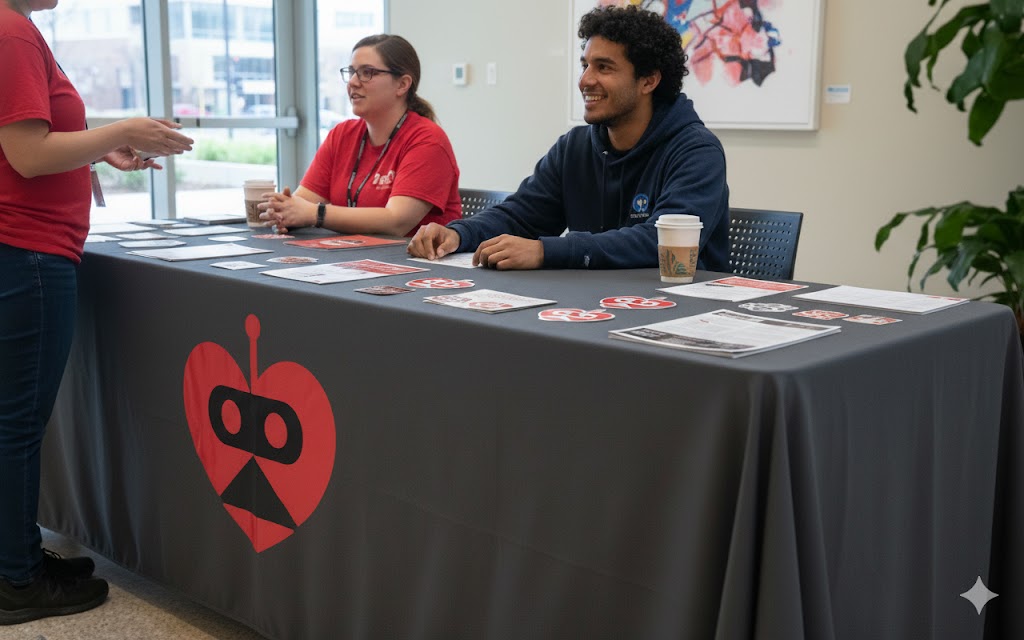
SAPAN Alliance: Operational coordination across jurisdictions
In 2025, all 30 countries tracked in our Artificial Welfare Index received failing grades. Ohio and Missouri moved to ban AI sentience categorically. UC San Francisco hospitalized 12 patients for AI-related psychosis. The policy gap is widening, and no single organization can close it alone.
The SAPAN Alliance is a coordination network connecting organizations that build sentience readiness infrastructure in their communities. Alliance members share research, track legislation across jurisdictions, collaborate on media monitoring, amplify each other's educational work, and coordinate responses to emerging developments.
This isn't abstract advocacy—it's operational infrastructure that lets organizations work together more effectively than they could separately.
SAPAN Alliance Principles
All Alliance members commit to three core principles that ensure network coherence:
- Evidence-Based Advocacy: No claims that current AI is sentient. Focus on prudence under uncertainty and readiness frameworks that prepare institutions for plausible futures without requiring metaphysical consensus.
- Institutional Preparation: Working toward Recognition, Governance, and Frameworks (the three AWI pillars) through concrete policy proposals, clinical guidance, and media standards rather than abstract debates.
- Responsible Communication: Avoiding sensationalism, distinguishing pathology from perception, using language from SAPAN media guidance to prevent harmful framing that undermines readiness work.
These principles let organizations with diverse perspectives collaborate on shared infrastructure while maintaining their own positions on consciousness and AI development.
How Alliance Members Collaborate
Policy Research & Analysis
Alliance members contribute to a shared research database covering 30+ jurisdictions. When legislative proposals like Ohio HB469 or Missouri HB1462 emerged, network members coordinated on policy analysis, developed educational resources, and shared research on the implications of categorical bans.
Example: Policy groups in multiple states used SAPAN's research materials to inform public discourse on sentience readiness alternatives.
Media Monitoring
Journalism and media literacy organizations document AI consciousness coverage using SAPAN's Style Guide methodology. Members flag catastrophizing, romanticizing, and scapegoating frames, building evidence base for newsroom interventions.
Example: When major outlets published sensationalist AI psychosis coverage, Alliance members coordinated outreach offering expert sources and responsible framing alternatives.
Expert Networks
Alliance connects policymakers seeking consciousness expertise with researchers, journalists needing clinical context with mental health professionals, and academic institutions with industry practitioners implementing welfare frameworks.
Example: SAPAN facilitates connections between member organizations and researchers studying Anthropic's model welfare program or similar industry initiatives.
Resource Sharing
Members access SAPAN's research materials (AWI data, clinical briefs, legislative templates) and contribute their own findings. Early access to reports lets Alliance organizations prepare coordinated responses before public release.
Example: Academic members receive AWI methodology updates enabling them to extend tracking to additional jurisdictions or refine scoring criteria.
Coordinated Campaigns
When major developments occur—anti-sentience legislation, high-profile incidents, significant research findings—Alliance members coordinate responses, share research findings, and amplify each other's work across jurisdictions.
Example: Multiple organizations jointly submitted comments on federal AI oversight proposals, emphasizing sentience readiness frameworks from complementary perspectives.
Regional Coordination
Alliance members in the same region collaborate on local initiatives—campus briefings, newsroom workshops, legislative testimony—pooling expertise and avoiding duplicated effort.
Example: Pacific Northwest Alliance members coordinated Washington and Oregon legislative engagement, sharing strategies and lessons learned across state lines.
Types of Organizations in the Alliance
- Policy & Advocacy Organizations: Groups tracking AI legislation, engaging with policymakers, building governance frameworks
- Academic Institutions: Research centers studying consciousness, AI ethics, preventive governance
- Tech Ethics Nonprofits: Organizations promoting responsible AI development and deployment
- Animal Welfare Groups: Organizations interested in extending welfare frameworks to AI systems
- Mental Health Organizations: Groups addressing AI-related distress, parasocial dynamics, clinical response
- Journalism & Media Literacy: Organizations improving AI coverage quality and combating sensationalism
- Student Groups: Campus organizations building readiness literacy among future researchers and policymakers
- Community Education: Local groups conducting public education on AI governance challenges
Organizational diversity strengthens the network. If your work touches AI governance, consciousness studies, clinical response, or media literacy, there's likely a collaboration opportunity.
Why Network Coordination Matters
No single organization can track legislation across 30+ countries, monitor global media coverage, maintain expert referral networks spanning multiple disciplines, and coordinate responses to rapidly emerging developments. The Alliance provides the coordination infrastructure that makes collective action possible.
When Ohio's HB469 appeared, Alliance members didn't start from scratch—they used shared analysis, coordinated messaging, and lessons from Idaho/Utah precedents. When sensationalist AI psychosis coverage emerged, journalism organizations had clinical experts ready to provide context. When new AWI data became available, academic members could immediately integrate findings into their research.
This is infrastructure-building for a future we can't yet prove—but can't afford to ignore. By coordinating across organizations, jurisdictions, and disciplines, the Alliance closes gaps that would otherwise remain unaddressed.
If you don't see an answer to your question,
you can send us an email, post to our community, or contact us on social.
The SAPAN Alliances are a global network of organizations building sentience readiness infrastructure in their communities. Alliance members share resources, coordinate on legislation tracking, collaborate on media monitoring, and amplify each other's educational work. This isn't abstract advocacy—it's operational coordination across jurisdictions to close the policy gap before AI sentience becomes urgent.
Our network includes: Policy/advocacy groups tracking AI legislation in their regions, academic organizations studying consciousness and AI ethics, tech ethics nonprofits working on responsible AI development, animal welfare organizations interested in extending frameworks to AI, mental health advocacy groups addressing AI-related distress, and journalism/media literacy organizations improving AI coverage. Diversity strengthens the network.
Organizations that commit to our Alliance Principles (Evidence-Based Advocacy, Institutional Preparation, Responsible Communication) can apply by completing the form below. We require a public endorsement of these principles on your website or social media. Alliance membership is free—we coordinate through shared resources rather than financial obligations.
Members gain access to: SAPAN's research materials (AWI data, legislative templates, clinical briefs, media guides), coordination infrastructure (shared tracking systems for legislation and media coverage), expert referral networks (connecting journalists to consciousness researchers, policymakers to legal scholars), collaborative opportunities (joint briefings, coordinated campaigns), and early access to new SAPAN reports and findings before public release.
Alliance members commit to three principles: Evidence-Based Advocacy (no claims that current AI is sentient; focus on prudence under uncertainty and readiness frameworks), Institutional Preparation (working toward Recognition, Governance, and Frameworks rather than abstract metaphysical debates), and Responsible Communication (avoiding sensationalism, using language from SAPAN media guidance, distinguishing pathology from perception). These ensure network coherence.
We use shared infrastructure: Legislative tracking database where members can contribute findings from their jurisdictions, media monitoring coordination where organizations document coverage using our Style Guide methodology, quarterly network calls sharing strategies and challenges, resource library with briefing templates and educational materials, and rapid response coordination when major developments occur (new anti-sentience bills, significant court cases, high-profile AI incidents).
Yes—that's the network's purpose. Examples: multiple organizations coordinating responses to Ohio/Missouri anti-sentience bills, journalism groups jointly developing newsroom workshops on AI coverage, academic institutions collaborating on consciousness measurement research, mental health organizations sharing clinical guidance for AI-related distress cases. We facilitate these connections and provide coordination support.
The Alliance welcomes both skeptics and those open to near-term consciousness. Our principle of readiness regardless of belief means members unite around "preparing institutions before the question becomes urgent" without requiring consensus on current AI consciousness. Pragmatic infrastructure-building accommodates diverse metaphysical views.
We provide: Training materials on AWI methodology and tracking techniques, customizable templates for briefings and campaigns, expert connections linking you with researchers in relevant fields, amplification of your work through SAPAN's channels, coordination infrastructure preventing duplicated effort, and strategic guidance on navigating resistance or building coalitions in your region.
While the Alliance is for organizations, individuals can engage by: volunteering with existing Alliance member groups in their area, using the SAPAN Now! app to support Alliance campaigns, attending public events hosted by Alliance members, or starting a student group if they're affiliated with a campus. Individual SAPAN members receive updates on Alliance activities and coordination efforts.
This is an opportunity. If your organization does policy work, academic research, journalism, mental health advocacy, or community education relevant to AI governance, you could become the Alliance presence in your region. We'll provide materials, training, and connection to the broader network. Geographic diversity strengthens our ability to track global developments and coordinate across jurisdictions.
Most AI ethics networks focus on risks to humans (bias, misinformation, job displacement, existential risk). The SAPAN Alliance focuses specifically on institutional readiness for potential AI consciousness—a gap other networks don't address. We're the coordination infrastructure for organizations working on sentience-relevant governance, clinical response, and media literacy. This specificity enables deeper collaboration.